.webp)
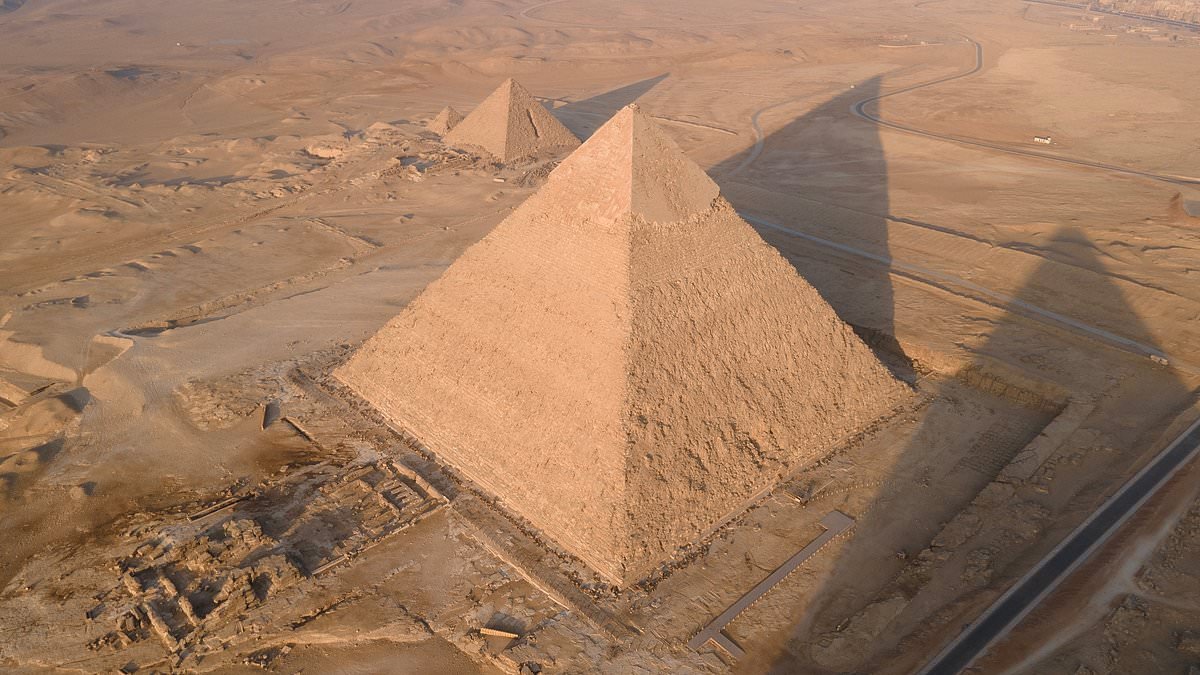
Origins of Egypt's Great Pyramid questioned as evidence hints at earlier use by lost civilization
Recent research has raised questions about the origins of Egypt's Great Pyramid, suggesting it may have been used by a previously unknown civilization before the reign of Pharaoh Khufu. This new evidence was uncovered in archaeological studies conducted near Giza.
What happened
A team of archaeologists discovered artifacts and structural remnants that indicate the Great Pyramid may have served purposes prior to its association with Khufu, who ruled during the Fourth Dynasty around 2580–2560 BCE. The findings include tools and remnants of construction techniques that do not align with known methods from Khufu's time.
Why this is gaining attention
This development is significant as it challenges long-held beliefs about the timeline of ancient Egyptian civilization. The possibility of an earlier civilization utilizing the site suggests a more complex history of human activity in the region than previously understood. Researchers are now analyzing these artifacts to gain further insights into their origin and function.
What it means
The implications of this research could reshape historical narratives concerning the development of monumental architecture in ancient Egypt. If confirmed, it would indicate that advanced societies existed prior to what is currently documented, prompting a reevaluation of Egypt's archaeological timeline and cultural evolution.
Key questions
- Q: What is the situation?
A: Evidence suggests that Egypt's Great Pyramid may have been used by an earlier civilization than previously thought. - Q: Why is this important now?
A: This finding could alter existing understandings of ancient Egyptian history and its architectural advancements.










 English (US) ·